Craving tree-lined streets, classic homes, and an easy hop to everything Minneapolis offers? If you want a quieter daily rhythm without giving up urban perks, Tangletown might be your fit. You’ll get a grounded feel for the neighborhood’s vibe, housing styles, parks, commuting options, and the practical questions to ask before you buy or rent. By the end, you’ll know how to evaluate Tangletown with clear next steps. Let’s dive in.
Tangletown at a glance
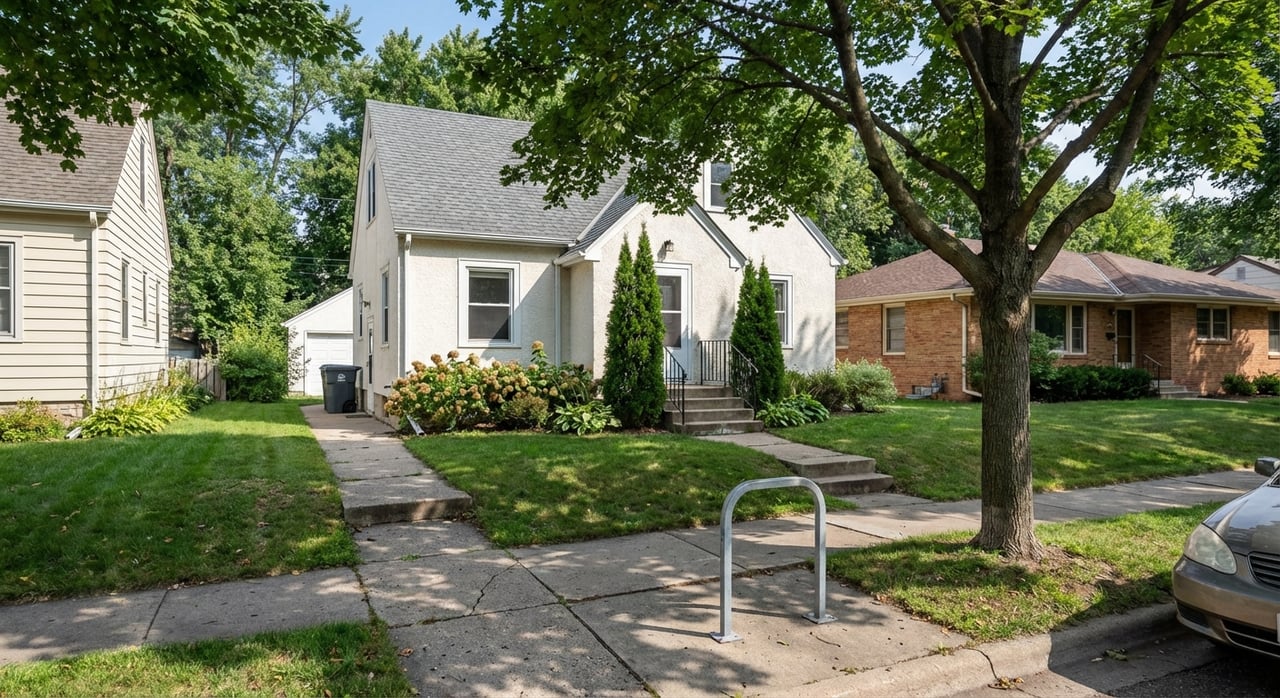
Tangletown is a close-in, primarily residential pocket in south Minneapolis with leafy streets and a calm pace. You’ll find a small-scale feel with quick access to bigger commercial corridors and nearby lakes and parkways. Local life revolves around neighborhood-serving cafes, small businesses, and parks rather than nightlife. If “close-in but residential” sounds right, you’ll likely feel at home here.
Daily routine and hangouts
The rhythm in Tangletown centers on simple routines. You can walk to a neighborhood coffee spot, meet a friend for a casual lunch, and wind down with an easy dinner nearby. Most errands stay quick and close, with larger grocery options a short drive or bike away.
Morning rhythm
Start with a walk under mature trees and grab coffee at a nearby cafe. Many residents build their mornings around a short stroll and a quick stop for breakfast. If you’re a dog owner or runner, the parkways and green corridors give you easy routes to stretch your legs.
Midday errands
Daily staples are simple: a neighborhood market or convenience shop for quick pickups, and larger grocers a few minutes away by car or bike. If you like to keep things local, map the closest stores and pharmacies that fit your routine. A low-key lunch option in a small commercial node is usually in reach.
Evenings out
Evenings tend to be relaxed and close to home. Think low-key dinner, a walk, and an early night. On weekends, you’ll see people out biking, meeting friends at a cafe, or heading to nearby parks for fresh air.
Parks and outdoor life
South Minneapolis neighborhoods are known for green space, and Tangletown fits that pattern. Residents use nearby parkways, neighborhood parks, and paths for everyday exercise and downtime. For details on specific parks, facilities, hours, and programs, check the official Minneapolis Park & Recreation Board site for current info at the Minneapolis Park & Recreation Board.
Pro tip: Visit at different times of day to see how people use the parks. Morning dog walkers, afternoon playground time, and evening joggers all shape the feel of a block.
Housing styles and feel
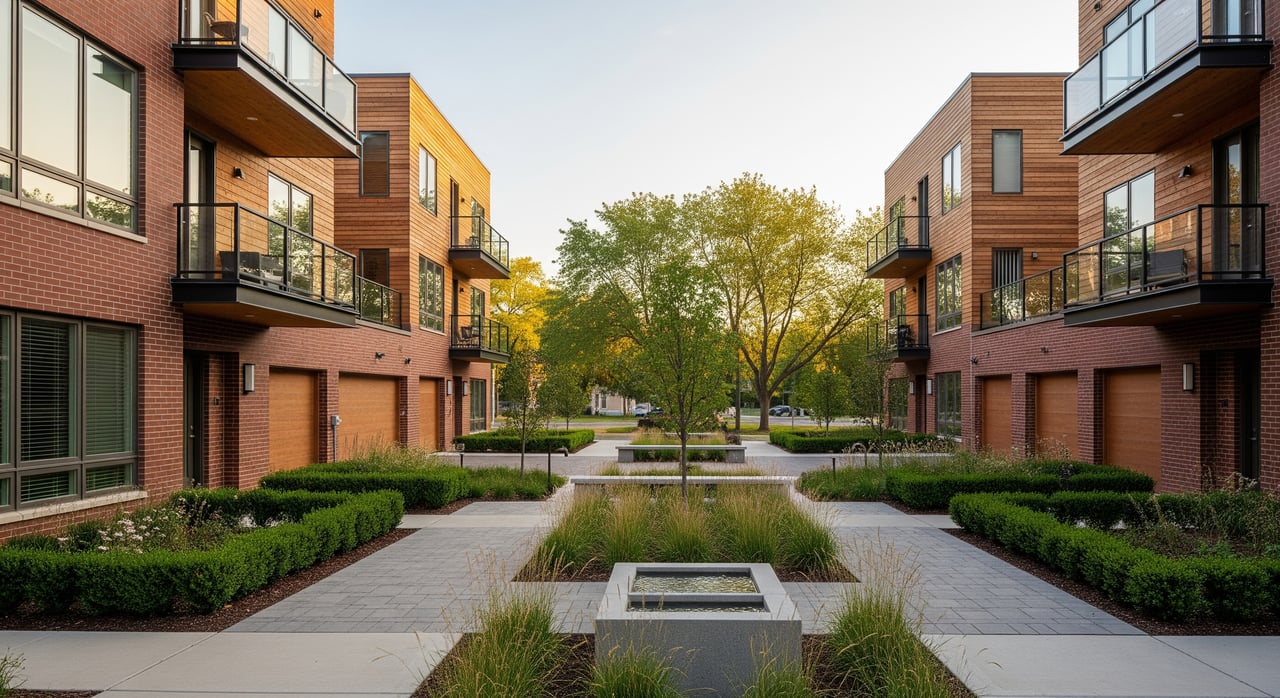
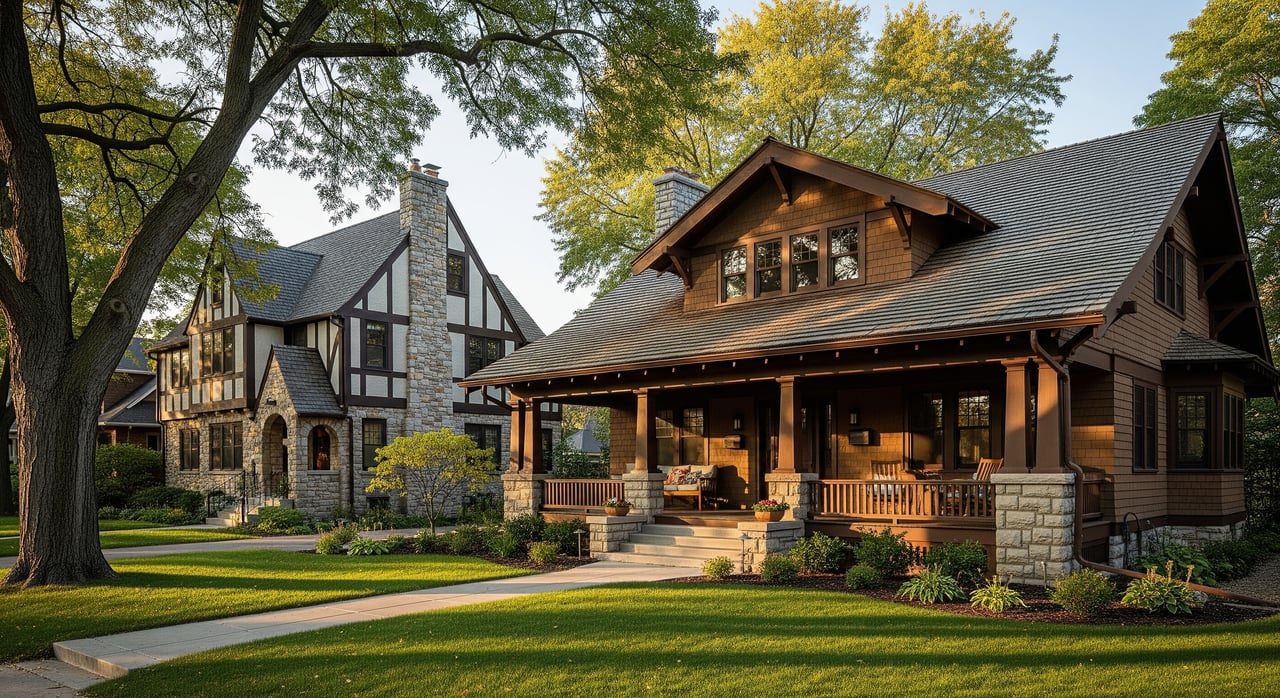
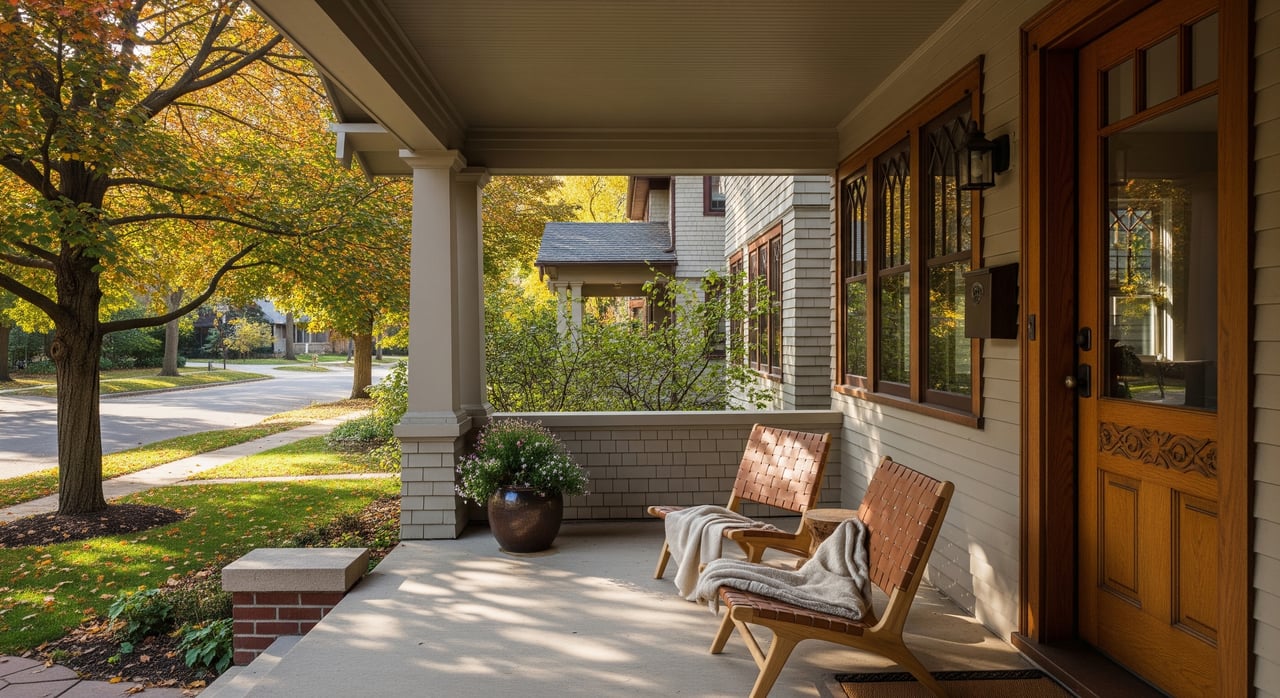
Homes in and around Tangletown commonly include early 20th-century styles like Craftsman bungalows, foursquare houses, and Tudor revival designs. You’ll also see modest duplexes and small apartment buildings along main corridors, plus occasional infill. Expect detached garages or alley access, front porches, and mature trees.
Ownership and rental vary by block. Some streets lean toward long-term owner occupancy, while nearby nodes include small multi-unit rentals. For current owner-versus-renter trends and household sizes, review synthesized neighborhood data at Minnesota Compass and cross-check public counts via Hennepin County property records.
What to look for at showings
- Exterior condition: roofing, siding, and masonry typical of older homes.
- Mechanical systems: age of furnace, AC, electrical, and plumbing.
- Windows and insulation: original charm often pairs with efficiency upgrades.
- Functional layout: kitchens, baths, and potential for smart updates.
- Garage and alley access: winter parking and storage needs.
If you are curious about a property’s history and current ownership status, look up parcel details through Hennepin County property records.
Zoning and what it means
Minneapolis has made significant zoning updates in recent years that affect housing types in many neighborhoods. In practice, that can influence whether accessory dwelling units, duplexes, or small multi-unit infill are permitted on certain blocks. The safest approach is to verify the exact zoning for a specific address and check any overlays or recent changes on the City’s planning and zoning pages at the City of Minneapolis.
Why it matters: zoning guides what you can add or change on a property. If you’re considering an ADU for multigenerational living or potential rental income, you want clarity before you write an offer.
Getting around Tangletown
Transit: Outside the light-rail corridors, bus service is the backbone of public transit in south Minneapolis. To see current routes, schedules, and frequency for Tangletown, use the Trip Planner and route pages on Metro Transit. Check both peak and off-peak times to see how your commute would feel.
Biking and walking: Sidewalks, short blocks, and a strong tree canopy help make local trips comfortable. Many residents bike to cafes, parks, or errands. For a quick snapshot of walkability and bike access, review scores and routes at Walk Score, then do your own timed walk or ride.
Driving and parking: Drives to downtown and other job centers are typically short, with the usual rush-hour variability. Parking rules can be block-specific, so confirm local restrictions or permits on City of Minneapolis transportation pages. Test your commute during your actual travel window to get a realistic read.
Schools and libraries
Local public schools and nearby program options matter to many buyers. Minneapolis Public Schools maintains attendance boundaries, specialty programs, and enrollment information. Verify the most current assignments and offerings at Minneapolis Public Schools before you make decisions tied to a specific address.
Neighborhood library branches and park programs often act as anchors for learning and community life. Check the library system and Park Board calendars for story times, classes, and seasonal events.
Safety and community info
It’s wise to look at trends rather than isolated incidents. For official reports and maps, consult the Minneapolis Police Department’s public resources at the City of Minneapolis. Pair that with conversations at community meetings and park events so you understand how neighbors experience the area day to day.
Local associations and community councils often host events, block gatherings, or seasonal traditions. These touchpoints help you meet neighbors and get a feel for how the neighborhood connects.
Is Tangletown a fit? Checklist
- You want a quieter, residential feel within quick reach of city amenities.
- You like early 20th-century architecture and mature tree canopy.
- You plan to walk or bike for coffee, parks, and errands.
- You’re open to older-home maintenance balanced by character and charm.
- You want to confirm transit options and a simple commute.
- You’ll verify zoning and potential for future projects before you buy.
How to stress-test a decision
- Visit at three times: weekday morning rush, late afternoon, and weekend.
- Time your commute by bus, bike, and car to compare.
- Walk a full loop of the block where you’re shopping, not just the listing’s street.
- Check owner-versus-renter mix and household sizes via Minnesota Compass.
- Pull parcel details through Hennepin County property records for any home you’re serious about.
- Verify school assignments at Minneapolis Public Schools if that factor matters to you.
- Confirm zoning and any overlays at the City of Minneapolis before planning an ADU or other addition.
How I help you decide
Buying or selling here is easier when you have a guide who knows the micro-blocks as well as the numbers. My approach is simple: listen first, map your must-haves, and layer in on-the-ground context with clear data. I’ll walk you through the trade-offs between streets, housing types, and project potential, then build a strategy that fits your budget and timeline.
If Tangletown feels close to right, let’s pressure-test it together with a neighborhood walk, a transit run, and a candid review of recent comps. When you’re ready, reach out to Agent Aaron | Aaron Eisenberg to schedule a free consultation.
FAQs
What kinds of homes are common in Tangletown?
- You’ll often see Craftsman bungalows, foursquare houses, Tudor revival homes, and modest duplexes, with small apartment buildings on main corridors.
How walkable is Tangletown for daily errands?
- Sidewalks and short blocks make quick trips easy, and many residents walk or bike to cafes, parks, and small shops. Check a snapshot at Walk Score, then test it yourself.
What are the public transit options for commuting?
- Bus service is the primary option in this part of south Minneapolis. Use Metro Transit’s Trip Planner to confirm current routes and frequency for your schedule.
Where can I verify school assignments for an address?
- Minneapolis Public Schools maintains attendance areas and program info. Check their site before making decisions tied to a specific address.
How can I research neighborhood safety trends?
- Review official reports and maps on the City of Minneapolis police pages and pair that with conversations at local meetings for day-to-day context.
How do I check if an ADU or duplex is allowed on a lot?
- Confirm the parcel’s zoning and any overlays on the City of Minneapolis planning and zoning pages, then discuss specifics with city staff before you plan a project.