Wondering if HOA living in Carag fits your life and budget? You are not alone. Condos and townhomes promise low-maintenance living, but the fine print can surprise you if you do not know what to look for. In this guide, you will learn exactly how HOAs work in Carag and South Uptown, what dues usually cover, how to read financials, and the rules that most affect your day-to-day. Let’s dive in.
What HOA living means in Carag
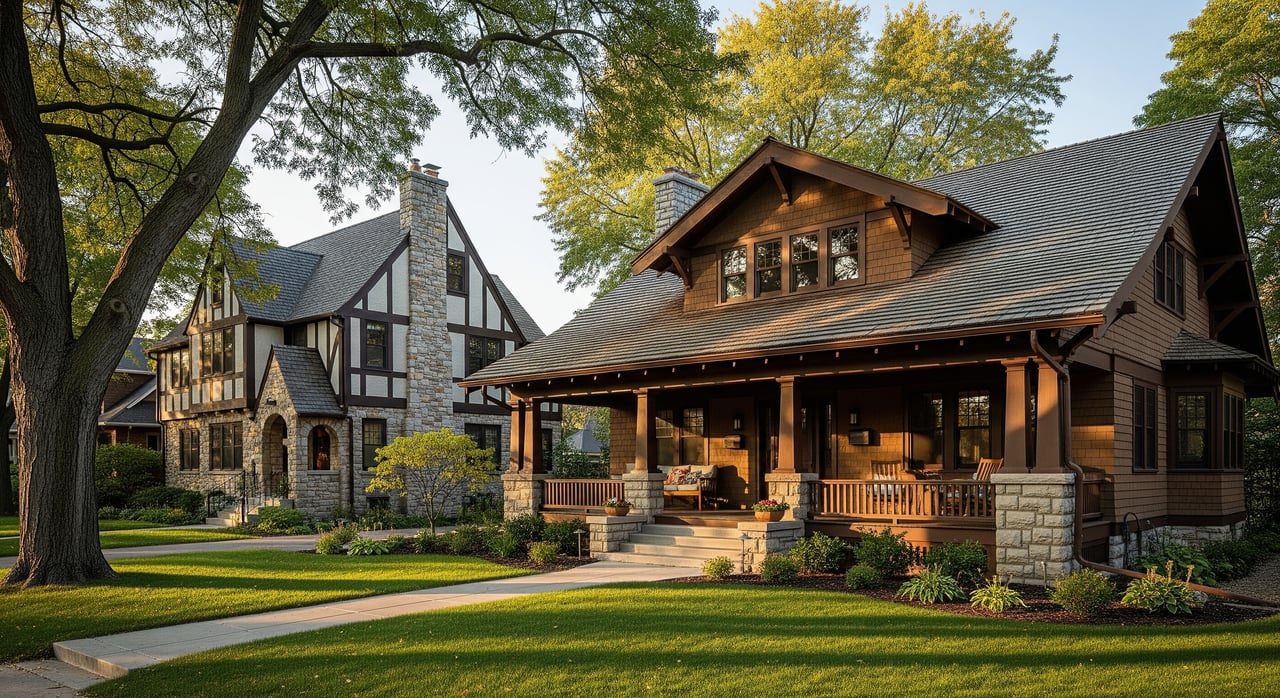
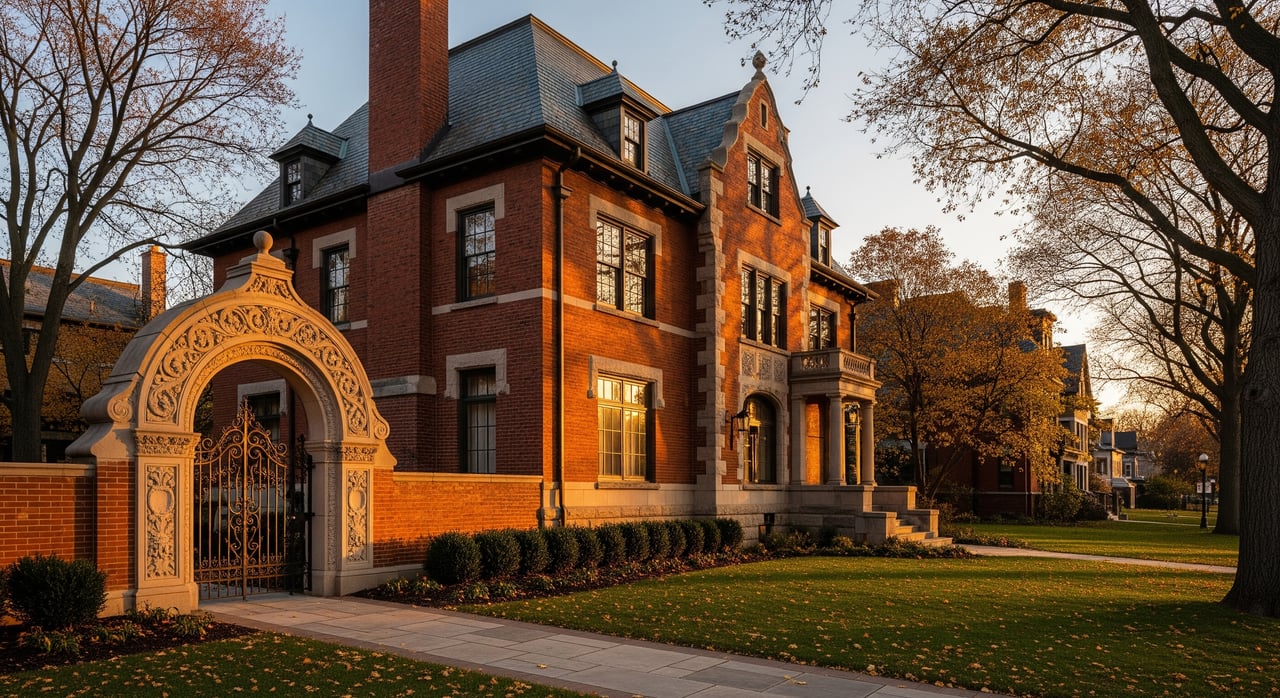
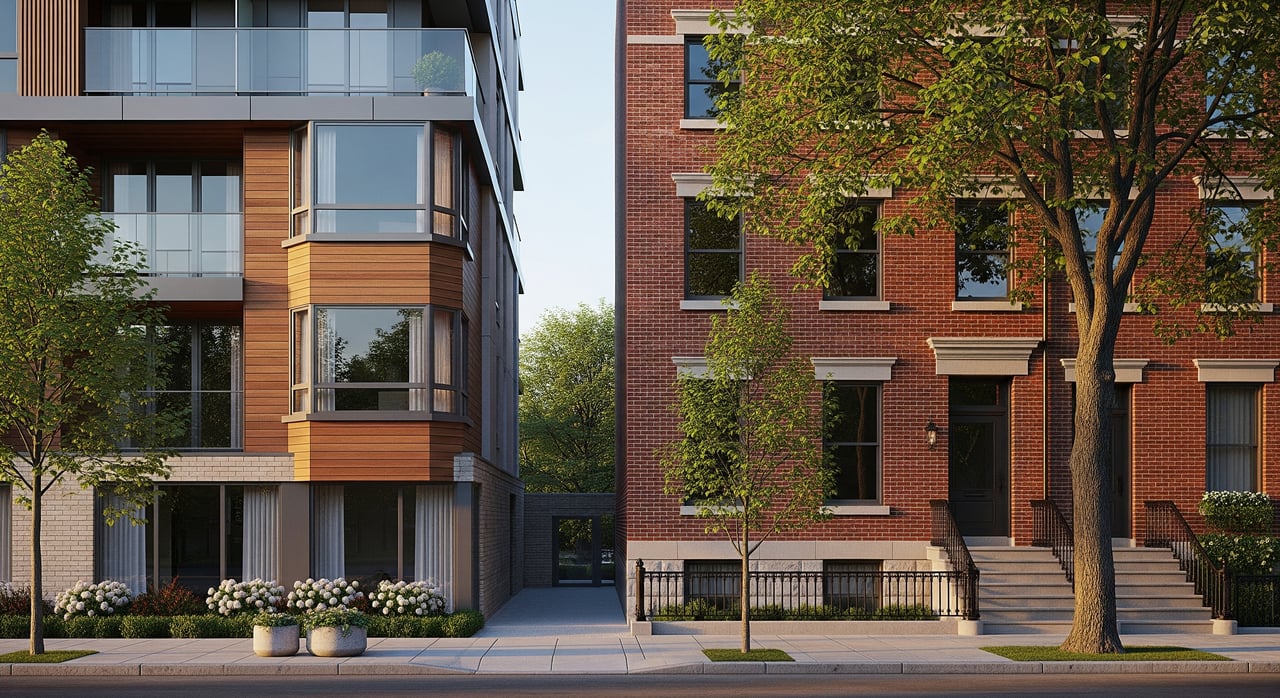
Carag, also called South Uptown, is a walkable Minneapolis neighborhood with older low-rise condos, newer infill townhomes, and small communities managed by HOAs. You will see three main ownership types: condominium, townhome with an HOA, and some Planned Unit Developments. Each type defines what is “yours” and what the association maintains.
- Condominium: you own your unit and share ownership of common elements like the roof, exterior, hallways, and grounds.
- Townhome with an HOA: you typically own the unit and the land beneath it. The HOA manages shared drives, landscaping, or amenities, and enforces rules. Exterior responsibilities vary by declaration.
- PUD: a hybrid that may include a master association for amenities and some exterior items.
Pro tip: check the recorded legal description and the association declaration to confirm ownership type and responsibilities. That drives what your dues cover and what you will handle yourself.
What your dues usually cover
Monthly HOA dues pay for the operation and upkeep of shared property. In Carag, many associations cover exterior maintenance, snow removal, and trash. Condo buildings may also include some utilities or building systems in dues, while fee-simple townhome HOAs often cover fewer utilities.
Common line items include:
- Routine maintenance and repairs for common elements
- Snow removal, seasonal cleanup, and landscaping
- Building systems for common areas, such as lighting and elevator upkeep
- Utilities for common areas, and sometimes water or heat for the building
- Master insurance for the property the association insures
- Professional management fees if applicable
- Reserve contributions for future big-ticket projects
- Trash and recycling, pest control, and security or concierge where offered
Amenity levels affect costs. Secure entry, fitness rooms, parking garages, and on-site management tend to increase monthly dues. Always ask for the current budget to see the exact breakdown.
How to read the budget and reserves
You will usually receive an operating budget, recent financial statements, and a reserve study or schedule. Here is how to use them:
- Operating budget: compares expected dues and income to routine expenses for the year. Repeated deficits often lead to higher dues or special assessments.
- Reserve study or schedule: lays out the life cycle and replacement costs for big components like roofs, paving, and boilers. Healthy associations contribute to reserves every year.
- Financial statements and delinquency report: show cash on hand and how many owners are behind on dues. Higher delinquency increases risk.
Industry guidance: many lenders and analysts look at the percent-funded level of reserves. Lower percent-funded reserves can mean a higher risk of special assessments. Ask for the association’s actual funding level and contribution plan.
Rules that affect lifestyle
Every association has rules. Focus on the ones that will impact your daily life and future plans.
Pets
Pet policies vary, including limits on number of pets, size or weight rules, leash and cleanup requirements, and registration. Associations can have deposits or fines. Service animals and assistance animals are handled under fair housing law, which requires reasonable accommodation. Ask for the current pet policy and whether any changes are pending.
Rentals and short-term stays
Expect minimum lease terms, caps on the percentage of units that can be rented, and possible owner-occupancy periods before you can lease. Many associations restrict short-term rentals because of insurance, noise, or security concerns. The City of Minneapolis also has rules for short-term rentals. If you plan to rent your unit, confirm the policy, any waiting lists, and approval steps before you buy.
Renovations and alterations
Plan ahead if you want to renovate. Most associations require written approval for exterior changes, work that affects structural elements or common systems, and alterations to limited common elements like balconies. You may need contractor insurance, project plans, and a city permit. Associations often set construction hours and rules for elevator and debris protection. Vague or slow approval processes can delay your project, so review the procedure and timelines.
Fee-simple vs condo in Carag
If you prefer fewer shared rules and more control over the exterior, a fee-simple townhome may fit. If you want a lower-maintenance lifestyle with more items handled by the association, a condo may be the better match.
Key contrasts:
- Control and rules: fee-simple townhomes can provide more exterior control if the declaration assigns exterior maintenance to the owner. Condos rely more on the association for building systems and exteriors.
- Maintenance: condo associations usually manage exterior and common systems. Fee-simple owners often handle their own roofs and exteriors unless the HOA covers them.
- Insurance: condo associations carry a master policy; you will likely need an HO-6 policy for the interior, personal property, and loss assessment. Fee-simple owners typically carry a standard homeowner policy, and the HOA’s policy covers only common areas.
- Costs and predictability: HOA dues can smooth out covered costs. Fee-simple owners may avoid some monthly dues, but big exterior repairs can come as lump-sum expenses.
- Financing and resale: lenders scrutinize condo associations for reserves, owner-occupancy, and litigation. Fee-simple homes tend to have fewer association-level financing hurdles.
Quick self-check:
- How much maintenance do you want to do yourself?
- Do you need flexibility to rent or have pets?
- Do you plan to renovate soon or extensively?
- What can you afford monthly when you include HOA dues and insurance?
Before you make an offer: request these 5 items
- Current year operating budget
- Most recent reserve study or reserve funding schedule
- Board meeting minutes for the last 12 months
- Current pet and rental policies
- Estoppel or resale certificate that states dues, assessments, and pending items
Smart questions to ask at a showing
- What exactly do the monthly dues cover, including utilities, parking, and storage?
- Are there recent or planned special assessments?
- What is the reserve funding plan and percent-funded level if available?
- Are any rule changes pending for pets, rentals, or renovations?
- Is the association self-managed or professionally managed?
- What capital projects are planned in the next 1 to 5 years?
Red flags to slow down for
- No reserve study and very low reserve balance
- High delinquency rate or frequent arrearages
- Repeated large special assessments
- Pending or unresolved litigation involving the association
- Incomplete insurance coverage or unusually high deductibles on the master policy
- Governing documents that do not clearly assign maintenance responsibilities
- Rental caps or rules that conflict with your plans
Financing, insurance, and resale basics
Many lenders review an association’s financials, owner-occupancy levels, reserves, and any litigation. Some loan programs require project approval. Build time into your offer for the lender’s condo review if applicable.
During escrow, you should receive an estoppel or resale certificate. This document confirms current dues, unpaid assessments, and any pending special assessments. Review it carefully and ask questions if something is unclear.
For insurance, confirm whether the master policy is all-in or bare-walls and note the deductible. Condo buyers typically carry an HO-6 policy that covers interior finishes, personal property, liability, and loss assessment exposure. Fee-simple owners usually carry a standard homeowner policy, and the HOA policy covers only common areas where applicable.
How a local advisor helps in Carag
Reading declarations, budgets, and reserve schedules is not anyone’s idea of weekend fun. A local advisor can pinpoint the ownership type, confirm what dues really cover, and flag the documents that matter most. You will get context on Carag’s building ages, typical amenities, and what healthy financials look like in this market. If you want a straight answer and a simple plan, you are in the right place.
Ready to find the right fit in Carag or South Uptown? Connect with Agent Aaron | Aaron Eisenberg to walk through options, documents, and next steps.
FAQs
What do typical HOA dues cover in Carag condos?
- Dues often cover exterior maintenance, snow removal, trash, common-area utilities and insurance, management, and reserves, with amenities and included utilities varying by building.
How do I check a Carag association’s financial health before buying?
- Ask for the operating budget, reserve study, financials, and delinquency report, then look for consistent reserve contributions, positive cash flow, low delinquencies, and minimal special assessments.
Are short-term rentals allowed in Carag condos and townhomes?
- Many associations restrict or prohibit short-term rentals, and the City of Minneapolis has rules, so verify the HOA rental policy and any city requirements before you plan to host.
What insurance will I need if I buy a Carag condo?
- Expect to carry an HO-6 policy for interior finishes, personal property, liability, and loss assessment, and confirm the master policy type and deductible to avoid coverage gaps.
What is an estoppel or resale certificate for a Minneapolis-area HOA?
- It is a document prepared during escrow that confirms dues, unpaid or pending assessments, and key association information you and your lender will review before closing.
Can I renovate my Carag condo or townhome right after closing?
- You can usually renovate with prior HOA approval for work that affects exteriors, structure, or common systems, and you may also need city permits and insured contractors.