If you love original woodwork, storybook roofs, and welcoming porches, Lynnhurst will feel like home the moment you turn onto its tree-lined streets. You want character, but you also want smart updates and peace of mind about older-home systems. In this guide, you’ll learn how to spot Lynnhurst’s most common historic styles, what interior details matter, which updates add value, and what to watch for during tours. Let’s dive in.
Why Lynnhurst attracts historic-home fans
Lynnhurst grew rapidly in the 1910s through the 1930s, so you’ll see a mix of early 20th-century styles, including bungalows, American Foursquares, Tudors, and Colonial Revival homes. Mature street trees, sidewalks, and proximity to Lake Harriet help create the neighborhood’s classic Minneapolis feel. Lots are primarily single-family with modest setbacks, basements, and alley garages, which is typical for inner-ring city blocks.
If you plan exterior changes, know that most of Lynnhurst is not a uniform local historic district, but individual properties may carry historic designations. Always verify status and requirements with the Minneapolis Heritage Preservation Commission and Hennepin County property records before you commit to major work.
Craftsman and bungalow cues
Exterior markers
- Low-pitched roof with wide eaves and exposed rafter tails or brackets.
- Front or side gable and a full or partial porch with tapered square columns or solid brick or stone piers.
- Wood siding with shingle accents, sometimes with stone at the base.
- Double-hung windows with multi-pane uppers over single-pane lowers, often grouped.
Interior details
- Built-ins you can’t buy off the shelf: dining buffets, bookcases, window seats.
- Natural wood trim, wide baseboards, and hardwood floors.
- Comfortable flow between living and dining, often anchored by a central fireplace.
What buyers value
- Intact built-ins and original millwork.
- Kitchens and baths updated for daily life while respecting scale and materials.
Tudor Revival and English cottage
Exterior markers
- Steep, often multi-gabled roofs and a prominent front gable.
- Brick or stone walls with decorative half-timbering in gables.
- Tall, narrow windows, sometimes leaded or diamond-pane, and arched or recessed entries.
- Asymmetry, with charming dormers or bays.
Interior details
- Cozy rooms with plaster walls and arched openings.
- Masonry fireplaces as the living room focal point.
- Leaded glass, beamed ceilings in some examples.
What buyers value
- Restored leaded glass and original fireplace surrounds.
- Exterior repairs that retain half-timbering and masonry character.
American Foursquare at a glance
Exterior markers
- Square, two-story form with a hipped roof and a central dormer.
- A wide front porch with substantial columns.
- Simple trim with subtle Prairie-influenced horizontal lines on some homes.
Interior details
- Four-room-per-floor plan with a wide central staircase.
- Larger rooms and high ceilings that adapt well to modern living.
What buyers value
- Flexible floor plans and generous room sizes that support tasteful reconfiguration.
Colonial Revival touches
Exterior markers
- Symmetrical façades with multi-pane double-hung windows.
- Centered entry, often with a small portico or pediment.
- Classical details like pilasters or columned porches on some homes.
Interior details
- More formal entry halls and paired living spaces.
- Dining room built-ins that pair nicely with modern updates.
Buyer considerations
- Preserve symmetry and window patterns when planning changes.
Prairie and Arts & Crafts influences
Full Prairie examples are less common in Lynnhurst, but you’ll see horizontal trim, low-pitched roofs, grouped windows, and built-in cabinetry that reflect the movement’s ideals. Inside, look for strong horizontal wood bands and unadorned, honest materials.
Character features to photograph on tours
Bring your phone and capture details that define style and condition. These photos make decisions easier when you compare homes later.
- Exterior: roof shape, porch columns or piers, half-timbering or shingle patterns, and masonry type.
- Entry: door style, any arched opening, original hardware, and sidelights or leaded glass.
- Living room: fireplace surround, mantel style, flanking bookcases, and window groupings.
- Dining room: original buffet or sideboard, plate rail, and wainscot.
- Kitchen and baths: update level, material choices, and how they relate to nearby built-ins.
- Windows: multi-pane uppers, leaded or diamond panes, or historically sensitive replacements.
- Floors: check for original hardwoods under carpet.
- Basement and attic: moisture signs, foundation type, exposed rafter tails, and roof decking condition.
Updates that add value without losing character
Modern comfort, classic look
- Kitchens: improve flow to dining while keeping scale appropriate. Choose materials that complement original woodwork without trying to mimic it.
- Bathrooms: modernize plumbing and fixtures, and keep period tile or vanities when they are in good shape.
- Mechanicals: prioritize updated electrical service, HVAC, and plumbing lines.
Energy efficiency you do not see
- Add attic insulation and air sealing in basements or crawlspaces to boost comfort.
- Consider heat pumps or efficient forced-air systems if ductwork already exists.
Window strategies
- Interior storm windows or reproduction sashes that match historic sightlines can improve comfort while preserving character.
Watch-outs in older Lynnhurst homes
A pre-1978 house needs a careful look at systems and materials. Plan for a thorough inspection and budget for the big, boring upgrades that keep a home solid for the long term.
- Electrical: older knob-and-tube or cloth wiring can linger in early homes. Confirm that service and circuits meet modern code.
- Lead paint: homes built before 1978 may have lead-based paint. Follow Minnesota Department of Health guidance for testing and safe remediation.
- Asbestos: older floor tiles, pipe wrap, or siding may contain asbestos. Use professional testing and abatement when needed.
- Moisture and basements: watch for water intrusion or signs of past issues, especially in homes near the lake or with shallow footings. Verify drainage and sump operation.
- Foundation movement: look for stair-step cracks, sticky doors, or misaligned windows that may indicate settling.
Rules, permits, and incentives to confirm
- Historic status: some individual properties may be listed or eligible for registers. Confirm with the Minneapolis Heritage Preservation Commission and check Hennepin County records.
- Exterior work: roofline changes, porch replacements, or window swaps visible from the street can trigger permits and reviews in designated areas. Always check requirements before you begin.
- Rehab incentives: if a property is designated, ask about federal, state, or local rehabilitation tax credits or grants through the State Historic Preservation Office.
- Financing and insurance: lenders may require electrical or roof updates before closing, and insurance carriers often price based on roof age and condition.
Smart search tips for Lynnhurst style hunters
- Use style tags in your search: Craftsman or Bungalow, Tudor or English Cottage, Foursquare, Colonial Revival.
- Save listings that show intact built-ins, original woodwork, leaded glass, and masonry fireplaces.
- Ask clear questions during due diligence:
- Has the electrical service been upgraded? Any knob-and-tube or cloth wiring left?
- Are there records for roofing, HVAC, plumbing, and foundation work?
- Are windows original, and if replaced, do they match historic profiles?
- Has water intrusion occurred, and is there documentation of repairs?
- Are there any historic approvals or restrictions on file for the property?
Ready to tour Lynnhurst like a pro?
If character plus reliable systems is your sweet spot, you will fit right in here. I can help you compare styles, interpret updates, and strategize offers that balance condition and value. To start a focused, low-stress search, reach out to Agent Aaron | Aaron Eisenberg today.
FAQs
What historic home styles are most common in Lynnhurst?
- You will most often see Craftsman and bungalows, Tudor Revival cottages, American Foursquares, and some Colonial Revival homes from the early 1900s through the 1930s.
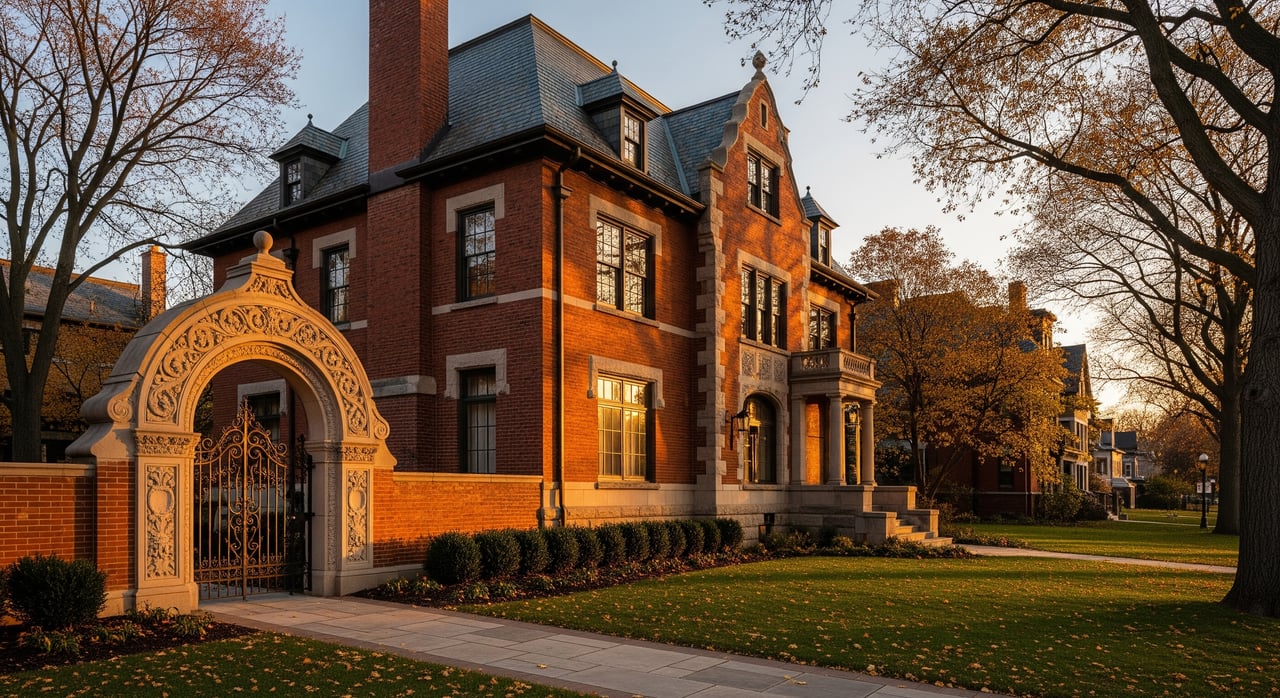
How can I quickly tell a Craftsman from a Tudor on a drive-by?
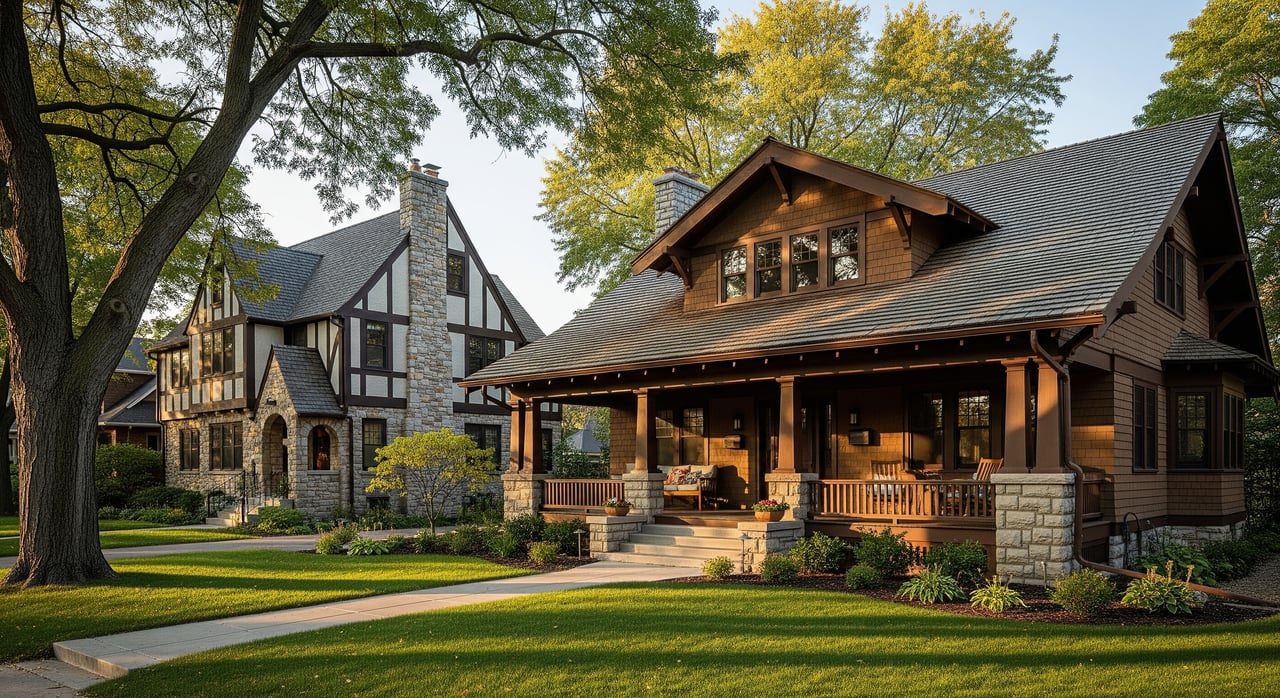
- Craftsman homes show low-pitched roofs, wide eaves with exposed rafters, and tapered porch piers, while Tudors have steep multi-gabled roofs, brick or stone with half-timbering, and arched entries.
Which updates add the most value without harming character?
- Prioritize mechanical upgrades, well-scaled kitchen and bath improvements, energy efficiency like attic insulation, and window strategies that keep historic sightlines.
Do I need special approval for exterior changes on a Lynnhurst home?
- It depends on designation; confirm with the Minneapolis Heritage Preservation Commission, and secure permits for visible exterior work as required.
What inspection questions should I ask for a 1920s Minneapolis home?
- Ask about electrical upgrades, any remaining lead paint or asbestos, window condition, roof age, moisture history, and documentation for structural or systems work.